



Gafas para Leer

Gafas para Leer

Lentes de aumento para ayudarte a mejorar la visión a corta distancia

Gafas para

leer

¿Qué son las gafas para leer?

Las gafas para leer están diseñadas con lentes de alta calidad que aumentan y facilitan ver o leer cualquier cosa de cerca.

¿Qué son las gafas para leer?

Las gafas para leer están diseñadas con lentes de alta calidad que aumentan y facilitan ver o leer cualquier cosa de cerca.
Image Image
Image Image

¿Necesito gafas para leer?

A medida que envejecemos, nuestros ojos se debilitan y comenzamos a perder la capacidad de enfocarnos en objetos cercanos. Las gafas para leer cuentan con lentes de aumento que agrandan todo en nuestro campo visual, haciendo que los objetos cercanos, como el texto, se vean más claros.

Fuerzas de las gafas para leer

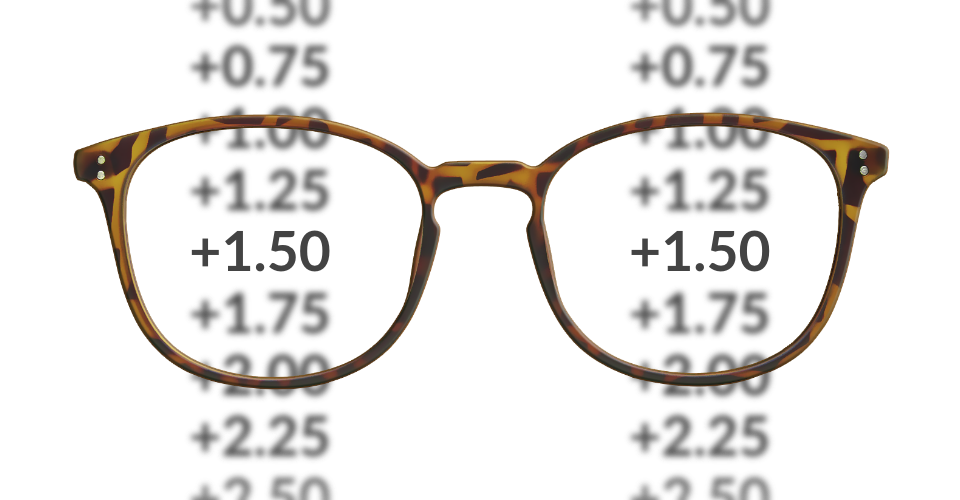
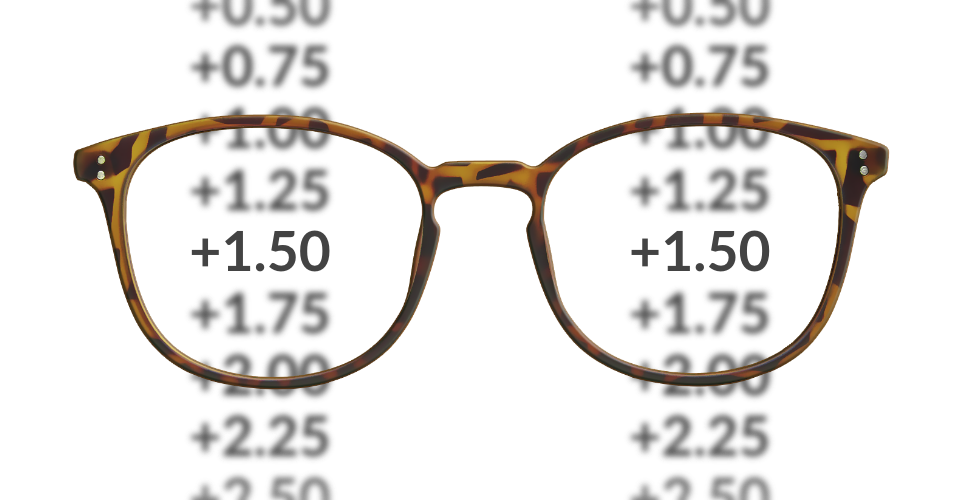
La fuerza de las lentes, llamada dioptrías, variará según tu edad, visión y cómo uses tus gafas. Un par de +1.00 indica una fuerza de una dioptría. Los niveles de dioptrías suelen aumentar en pasos de cuarto y van de +1.00 a +4.00.

Everything you need to know about reading glasses

Monturas recomendadas para gafas para leer

Everything you need to know about reading glasses

Monturas recomendadas para gafas para leer

Nuestros expertos ópticos

Nuestros expertos ópticos

Habla con un óptico certificado

¿Tienes preguntas sobre el cuidado de los ojos? Estamos aquí para ayudar.
Para orientación en la que puedes confiar, pregunta a nuestros ópticos internos.

Habla con un
óptico certificado

¿Tienes preguntas sobre el cuidado de los ojos? Estamos aquí para ayudar.
Para orientación en la que puedes confiar, pregunta a nuestros ópticos internos.

FAQs

Reading glasses are not only designed for reading, but for seeing up-close objects clearer. Whether reading, looking at a tablet, or focusing on another hands-on activity, most people view anywhere between 45 to 55 cm from their eyes. Reading glasses offer lens power optimised for that range.

Reading glasses do not correct visual conditions and are only designed for seeing objects up-close more clearly. Reading glasses are non-prescription and should only be worn by those who do not require a vision prescription and who do not have an astigmatism. If you require a different prescription in each eye, readers are not a good choice as you cannot get them with different prescriptions in each lens. Wearing the wrong prescription will cause eyes to be over or under corrected, leading to eye strain or headaches.

It is not recommended to wear reading glasses if you have astigmatism. Reading glasses do not account for the CYL, causing your vision to remain blurred.

No one should wear reading glasses all day, especially while walking or driving. Wearing reading glasses while doing activities that require a wider scope of vision may cause a headache, eye strain, or even eye damage.

Reading glasses can be purchased over the counter without a prescription, but it is highly recommended that you receive a yearly eye exam to ensure your eyes are healthy.

If this is your first time purchasing reading glasses, you may not know what lens strength is best for you. The best way to find out which power you need is to consult with your eye doctor to ensure you choose the correct one.

FAQ

Reading glasses are not only designed for reading, but for seeing up-close objects clearer. Whether reading, looking at a tablet, or focusing on another hands-on activity, most people view anywhere between 45 to 55 cm from their eyes. Reading glasses offer lens power optimised for that range.

Reading glasses do not correct visual conditions and are only designed for seeing objects up-close more clearly. Reading glasses are non-prescription and should only be worn by those who do not require a vision prescription and who do not have an astigmatism. If you require a different prescription in each eye, readers are not a good choice as you cannot get them with different prescriptions in each lens. Wearing the wrong prescription will cause eyes to be over or under corrected, leading to eye strain or headaches.

It is not recommended to wear reading glasses if you have astigmatism. Reading glasses do not account for the CYL, causing your vision to remain blurred.

No one should wear reading glasses all day, especially while walking or driving. Wearing reading glasses while doing activities that require a wider scope of vision may cause a headache, eye strain, or even eye damage.

Reading glasses can be purchased over the counter without a prescription, but it is highly recommended that you receive a yearly eye exam to ensure your eyes are healthy.

If this is your first time purchasing reading glasses, you may not know what lens strength is best for you. The best way to find out which power you need is to consult with your eye doctor to ensure you choose the correct one.